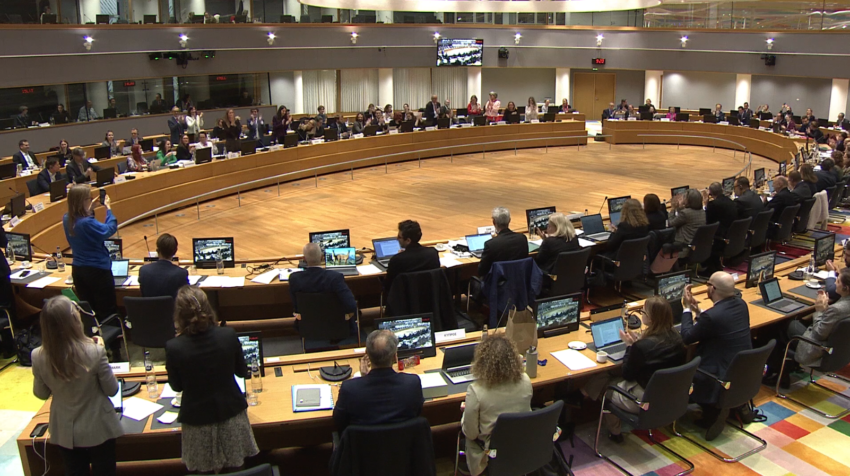
The EU Council formally adopted the European Climate Law amendment on March 5, after the plenary adoption by the European Parliament last Month. It legalises the interim 2040 -90% climate target, leading to net climate neutrality in 2050. This includes linking permanent European carbon removals (CRCF) to compensate for residual hard-to-abate emissions under the EU…
Category: CO2

Insetting: make climate impact in the own supply chain and help countries meet climate targets
A new climate strategy is gaining ground among companies to achieve their climate goals: insetting. This means reducing CO₂e emissions or increase carbon removals within a company’s own value chain (scope-3). This strategy can help identify additional potential reductions. And it can replace financing external reductions in carbon. projects to compensate residual emissions (offsetting). Though…

Countries should take cooling targets
While we passed the 1,5° Degrees, as the IPCC predicted an overshoot, and reductions will bring temperatures down later, I believe that in addition to emission reduction targets, which only take effect after years, countries should additionally make temperature reduction commitments and start cooling their countries and cities. For example greening EU’s urban areas would…

Hague Court of Appeal will not establish an absolute reduction percentage for Shell
In its judgement on appeal the Court, November 12, 2024, considered the question whether Shell has the obligation under Duch Law to reduce all its global CO2 emissions by 45% by 2030 relative to 2019 levels. Milieudefensie et al. have sought a court order to this effect on the basis that Shell acts unlawfully if…

While EU prepares Carbon Removal Credits, Green Claim rules threat to block Companies from investing in them
EU Carbon Removal CertificationEnd of October, the EU Council and the EU Parliament adopted their positions on the European Carbon Removal Certificates Framework (CRCF). Trilogue negotiations will now begin. In my view the carbon removals should eventually be accepted under the EU Emissions Trading System and help the meet the negative emission target after 2040…

European emissions system determines meeting agreed CO2 targets, fossil subsidies secondary
Abstract Many pleas for abolishing fossil subsidies fail to recognize the existence of the European Emissions Trading System: that system ensures that we meet agreed CO2 targets even before 2040. Fossil fuel subsidies do nothing to change that, while abolishing them could even lead to more overall greenhouse emissions and harm the competitive position of…
Tightening EU ETS leads to zero emissions before 2040
The tightened and expanded ETS CO2 trading system is part of the so-called ‘Fit for 55’ package and helps to achieve the total CO2 target of 55% reduction in 2030 (laid down in the European Climate Act). The new ETS is gratifying news: it leads to zero emissons already by 2039. With full implementation, the…

Glasgow Outcome: Ambitious Carbon Market Rules
Glasgow Outcome in bullets …. accelerating efforts towards the phase-down of unabated coal power and inefficient fossil fuel subsidies, recognizing the need for support towards a just transition; On general ambition: See cover Decision 1/CMA.3 ‘Glasgow Climate Pact’, New country and group pledges on targets for 2030 and net zero in 2050 and on forest…