
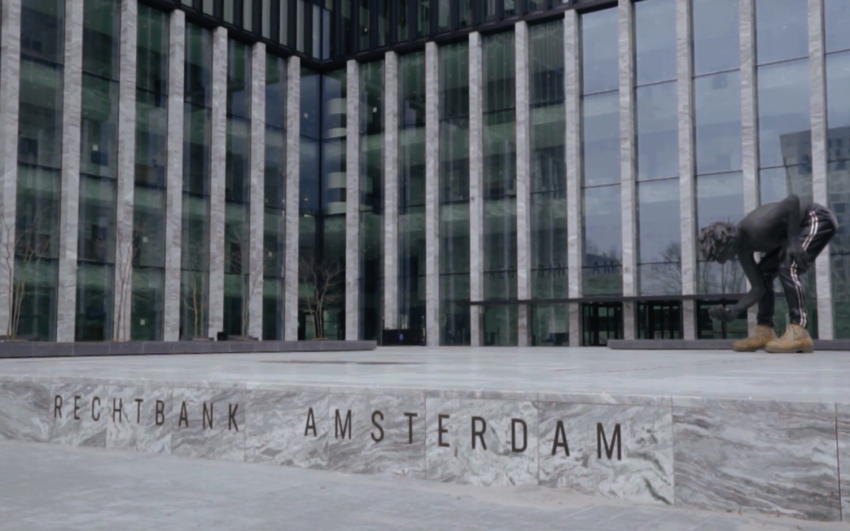
De Rechtbank in Amsterdam oordeelde op 9 september Milieudefensie ontvankelijk in haar vordering tegen ING (zaaknummer: C/13/766933). Milieudefensie stelt dat ING deelverantwoordelijk is als grote systeembank en wil dat ING de totale gefinancierde uitstoot van klanten halveert in 2030 en stopt met financiering van olie- en gasbedrijven die nieuwe projecten starten. Rechtbank gaat vorderingen inhoudelijk beoordelenDe rechtbank lijkt mee…
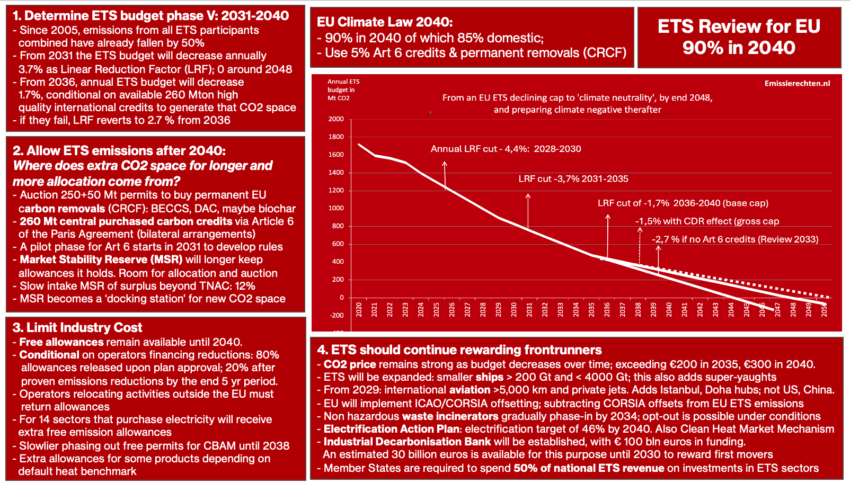
ETS Review makes it Paris aligned and future proof. European Parliament seeks even more balance
The July 17 proposed adjustments and expansions in the European Emissions Trading System Review, (ETS), do more than strike a balance between climate ambition and competitiveness. The European Commission is also seeking a better balance between rewarding innovation and giving more time to sectors where emission reduction is most difficult. At the same time, it…

ETS-2 starts in 2028 with better price stability, predictability and first auction in 2027
To help achieve the EU’s 55% target for 2030 and 0 in 2050, the EU has determined that the EU Emissions Trading System for industry, energy, air and maritime shipping (ETS-1) will get a little brother as of 2028: ETS-2. This includes CO2 emissions from the combustion of fuels in traffic and for heating and…

Climate heat stress: how to take cooling measures
While we passed the 1,5° Degrees on average – IPCC predicted this overshoot – and it takes time for reductions to bring temperatures down later, countries should also have temperature reduction commitments in addition to emission reduction targets. They should start cooling their countries and cities. The European Human Rights Court -in the KlimaSeniorinnen case-…
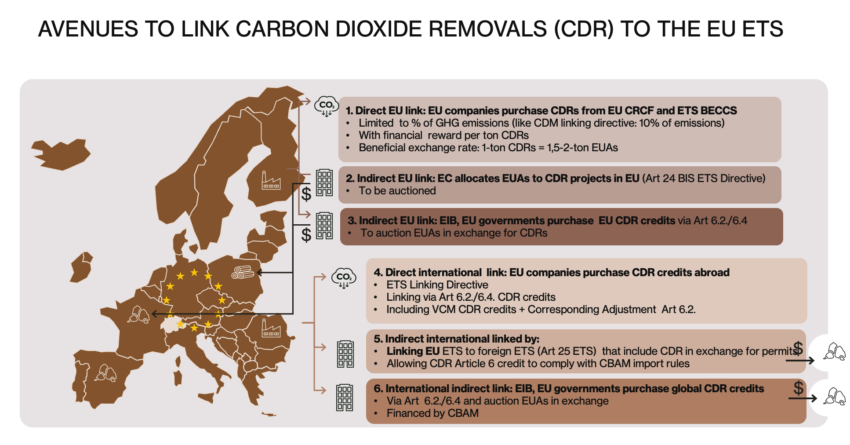
How to link Carbon Removals to the EU ETS
IPCC sees a need for CDR – nature-based AND direct air carbon capture and storage – of 7-9 Gt for the 1,5 Degrees target in 2050. The 2024 Emissions Gap Report wrote that next NDCs “require a much faster progression through its formative phase to reach gigaton scale by mid-century“, mentioning 30-800 Mt of novel…
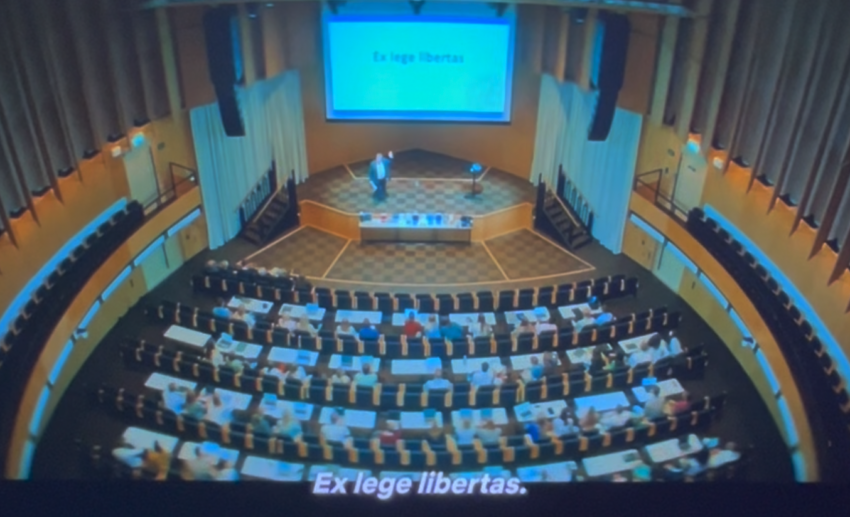
Ex Lege Libertas: The Exonerating Effect of the EU Emissions Trading System (ETS)
Summary of the article:In the Dutch magazine ‘Tijdschrift voor Energie en Recht’ I published in December 2025 an article (Dutch) on the exonerating effect of The European Union Emissions Trading System (EU ETS). It is the EU’s central mechanism to reduce greenhouse gas emissions. This article examines whether participation in the ETS exonerates participating companies…
EU Climate Law: use of flexibility ensures ambition, limits cost and stimulates international action
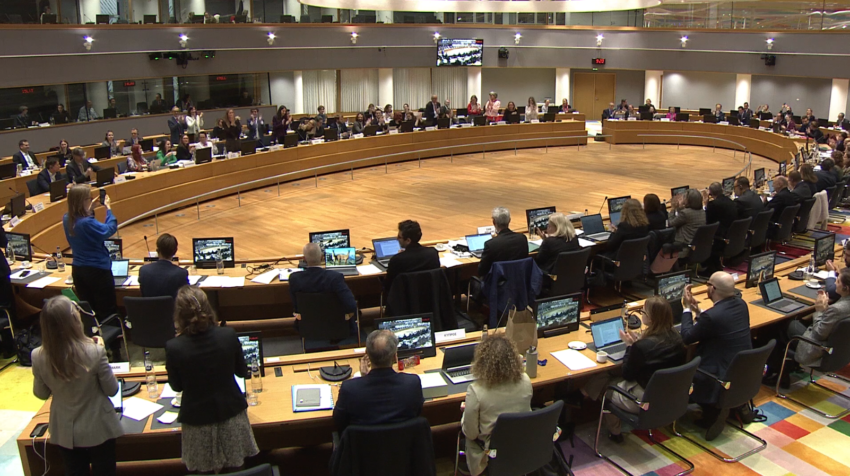
The EU Council formally adopted the European Climate Law amendment on March 5, after the plenary adoption by the European Parliament last Month. It legalises the interim 2040 -90% climate target, leading to net climate neutrality in 2050. This includes linking permanent European carbon removals (CRCF) to compensate for residual hard-to-abate emissions under the EU…
Aan de slag met ambitieus & betaalbaar klimaatbeleid. Doorrekening toont dat EU-beleid belangrijke aanvulling is
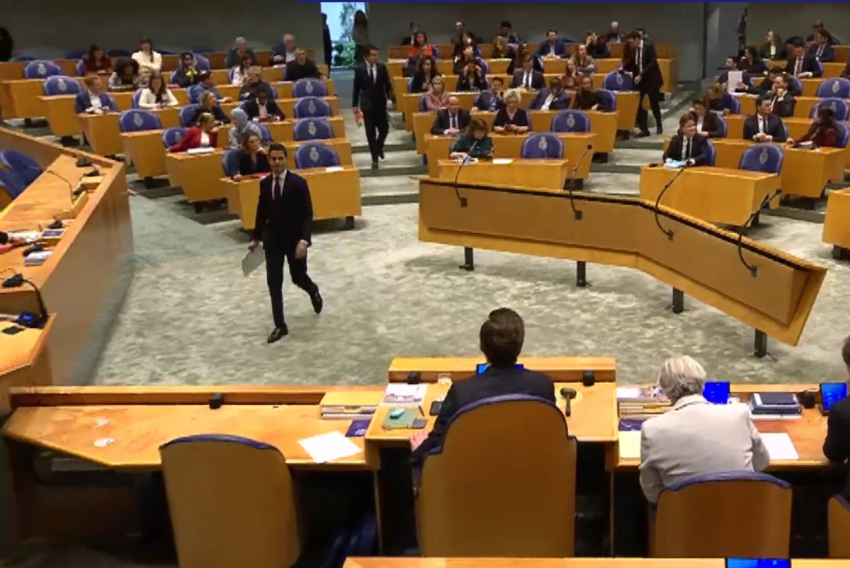
De coalitie erkent in het akkoord ‘Aan de Slag’ enerzijds dat het Nederlandse klimaatdoel voor 2030 “lastig wordt”, maar houdt tevens vast aan deze ambitie, die mogelijk iets later zal worden ingelost. Tegelijkertijd richt zij zich op de lange termijn, 2040 en 2050 en maakt ze ambitieuze klimaatdoelen haalbaar door onder andere te investeren in…