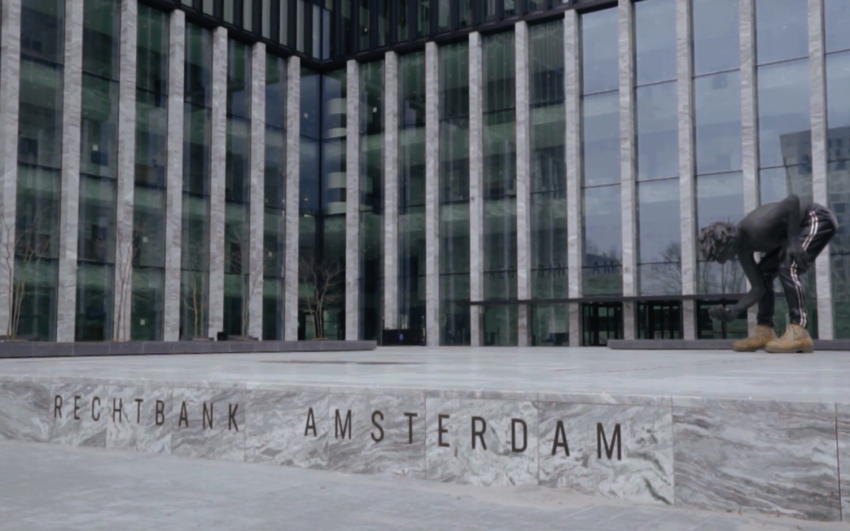
De Rechtbank in Amsterdam oordeelde op 9 september Milieudefensie ontvankelijk in haar vordering tegen ING (zaaknummer: C/13/766933). Milieudefensie stelt dat ING deelverantwoordelijk is als grote systeembank en wil dat ING de totale gefinancierde uitstoot van klanten halveert in 2030 en stopt met financiering van olie- en gasbedrijven die nieuwe projecten starten. Rechtbank gaat vorderingen inhoudelijk beoordelenDe rechtbank lijkt mee…
Tag: emissiehandel

ETS-2 starts in 2028 with better price stability, predictability and first auction in 2027
To help achieve the EU’s 55% target for 2030 and 0 in 2050, the EU has determined that the EU Emissions Trading System for industry, energy, air and maritime shipping (ETS-1) will get a little brother as of 2028: ETS-2. This includes CO2 emissions from the combustion of fuels in traffic and for heating and…
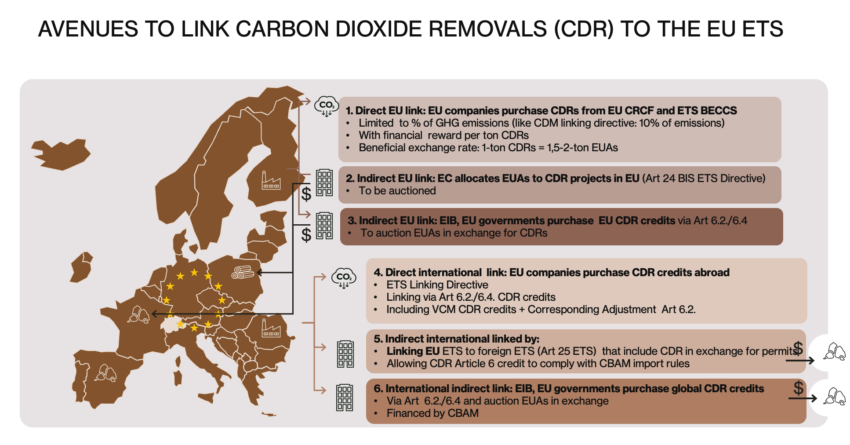
How to link Carbon Removals to the EU ETS
IPCC sees a need for CDR – nature-based AND direct air carbon capture and storage – of 7-9 Gt for the 1,5 Degrees target in 2050. The 2024 Emissions Gap Report wrote that next NDCs “require a much faster progression through its formative phase to reach gigaton scale by mid-century“, mentioning 30-800 Mt of novel…
EU Climate Law: use of flexibility ensures ambition, limits cost and stimulates international action
The EU Council formally adopted the European Climate Law amendment on March 5, after the plenary adoption by the European Parliament last Month. It legalises the interim 2040 -90% climate target, leading to net climate neutrality in 2050. This includes linking permanent European carbon removals (CRCF) to compensate for residual hard-to-abate emissions under the EU…
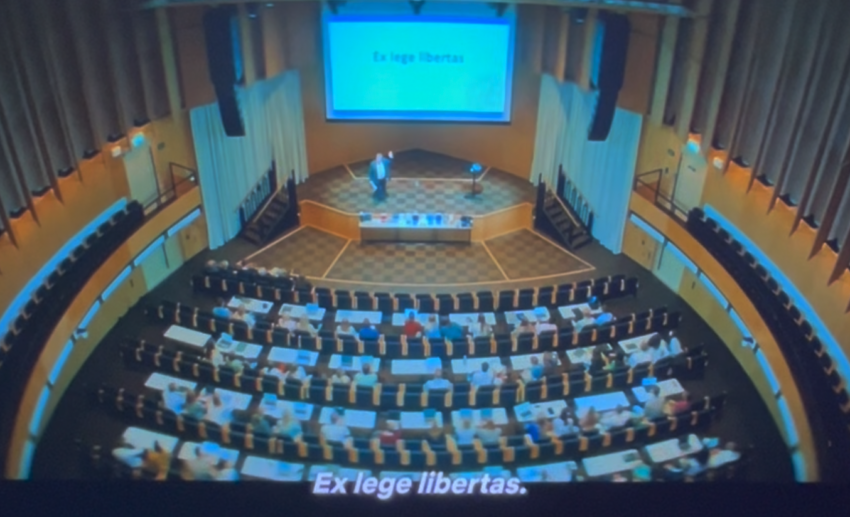
‘Ex Lege Libertas’: de vrijwarende werking van het EU Emissiehandels-systeem (ETS)
Mijn artikel in het Nederlands Tijdschrift voor Energierecht (NTE) van 2 december 2025 staat online. Door de uitbreiding van de reikwijdte van het ETS en de toenemende ambitie rijst de vraag of het ETS de verplicht deelnemende bedrijven vrijwaart van additionele, individuele CO2-reductieverplichtingen, opgelegd via art. 6:162 BW (onrechtmatige daad) en de maatschappelijke zorgvuldigheidsplicht (English…
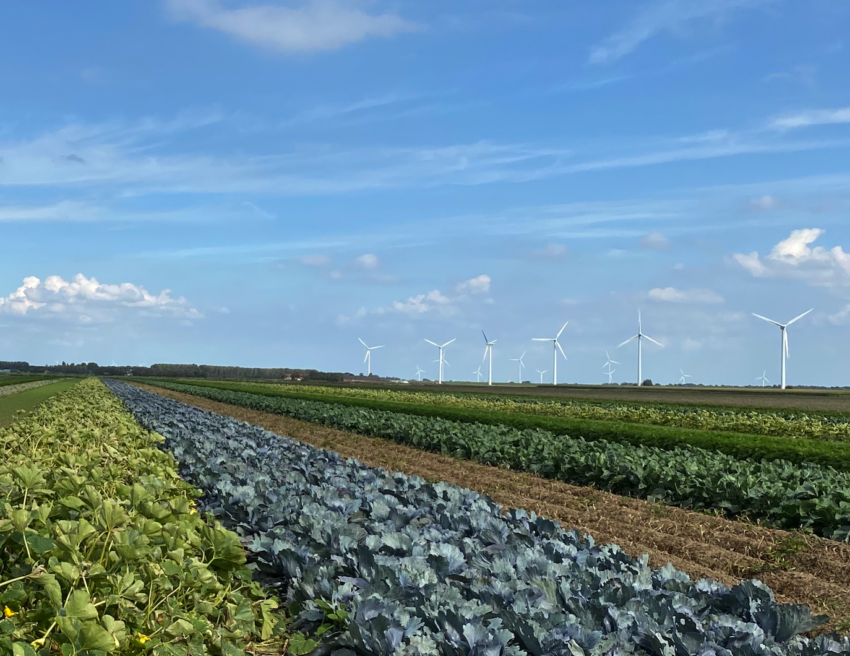
Insetting: make climate impact in your supply chain and help meet national targets
A new climate strategy is gaining ground among companies to achieve their climate goals: insetting. This means financing the reduction of CO₂e emissions or increase carbon removals within a company’s own value chain (scope-3). This strategy can help identify additional potential reductions. It can replace financing external reductions in carbon projects that compensate residual emissions…
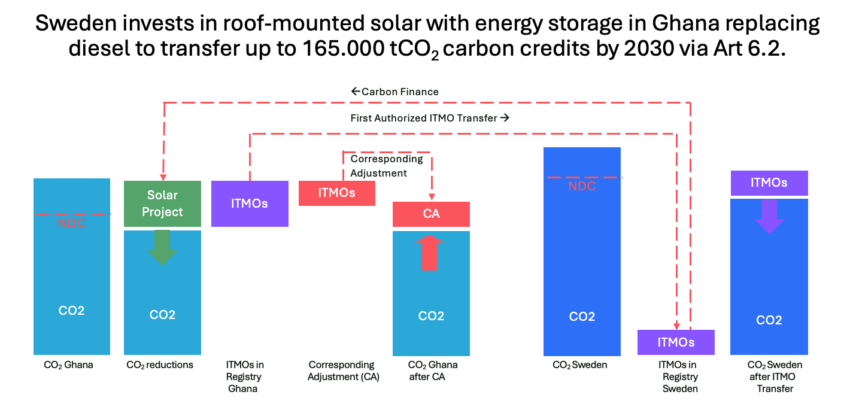
The Swedish Blueprint: CO2 Deals That Deliver on Climate Goals
At the recent Climate Summit in Baku, November 2024, world leaders took a bold step toward tackling the climate crisis. The summit gave the official green light for the use of carbon markets under Article 6 of the Paris Agreement, a mechanism designed to help nations meet their climate commitments while mobilizing much-needed climate finance…
While EU prepares Carbon Removal Credits, Green Claim rules threat to block Companies from investing in them
EU Carbon Removal CertificationEnd of October, the EU Council and the EU Parliament adopted their positions on the European Carbon Removal Certificates Framework (CRCF). Trilogue negotiations will now begin. In my view the carbon removals should eventually be accepted under the EU Emissions Trading System and help the meet the negative emission target after 2040…