
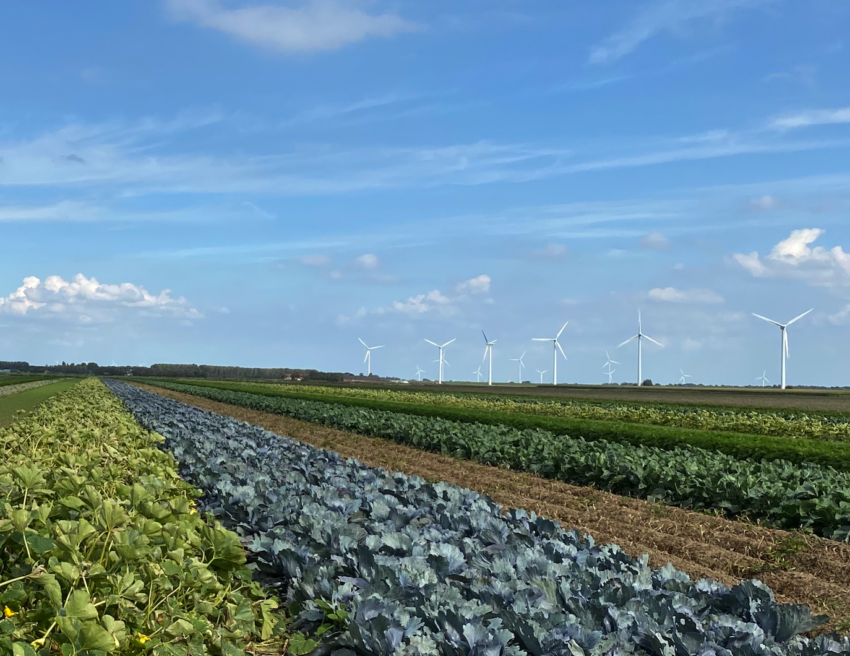
A new climate strategy is gaining ground among companies to achieve their climate goals: insetting. This means reducing CO₂ emissions or carbon removals within a company’s own value chain (scope-3). This can help identify additional potential reductions. And it can replace financing external reductions (offsetting) to compensate residual emissions, for example by tree planting or…
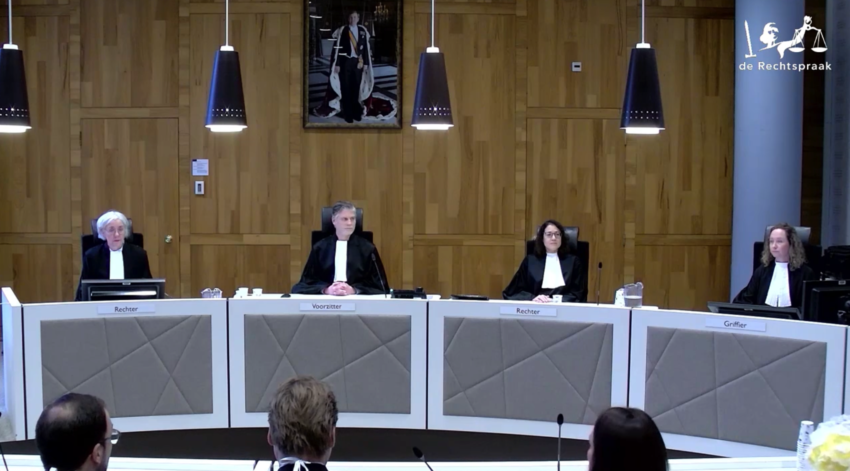
Rechtbank: Nederland beschermt Bonaire onvoldoende tegen klimaatverandering. Wat betekent dit voor het Klimaatwet?
De uitspraak in de zaak van Greenpeace namens Bonaire tegen de Staat is toch anders dan verwacht. Naast dat NL natuurlijk wel meer moet doen aan adaptatie specifiek voor Bonaire, en meer rekening moet houden met de belangen van de bewoners, stelt de rechter ook eisen aan emissiereductie. NL heeft, met de EU, internationaal gezien,…
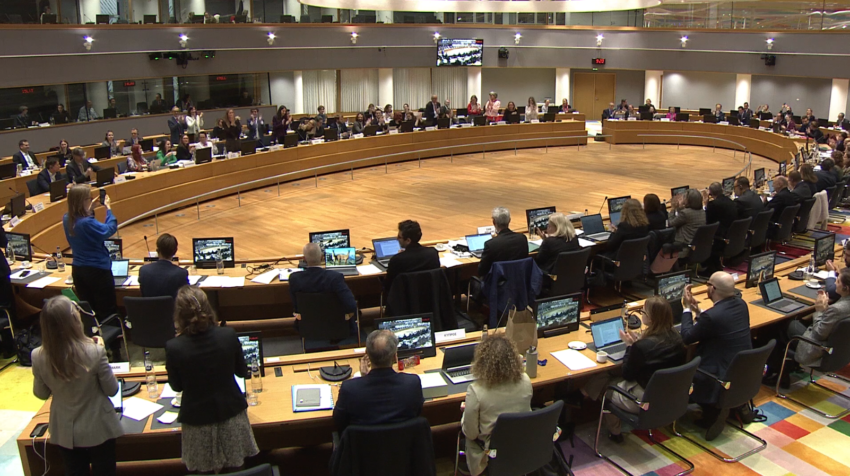
EU Climate Law: use of flexibility ensures ambition
The EU Parliament Environment Committee January 11 2026 voted for the #Breakthrough Agreement in EU Climate Policy, adopted in the November 5 2025 Environment Council meeting. Additional #flexibilities ensure meeting the ambitious climate EU 90% target for 2040, boosting carbon removals, partly through the use of Article 6 Paris Agreement carbon credits, also at lower…
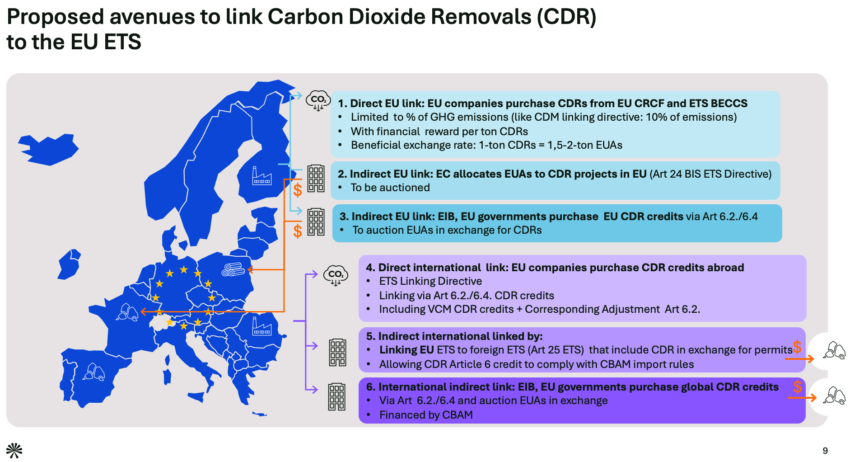
Linking Carbon Removals to the EU ETS – and a net negative emissions target after 2040
IPCC sees a need for CDR – nature-based AND direct air carbon capture and storage – of 7-9 Gt for the 1,5 Degrees target in 2050. The 2024 Emissions Gap Report writes that next NDCs “require a much faster progression through its formative phase to reach gigaton scale by mid-century“, mentioning 30-800 Mt of novel…

Countries should take cooling targets
While we passed the 1,5° Degrees, as the IPCC predicted an overshoot, and reductions will bring temperatures down later, I believe that in addition to emission reduction targets, which only take effect after years, countries should additionally make temperature reduction commitments and start cooling their countries and cities. For example greening EU’s urban areas would…
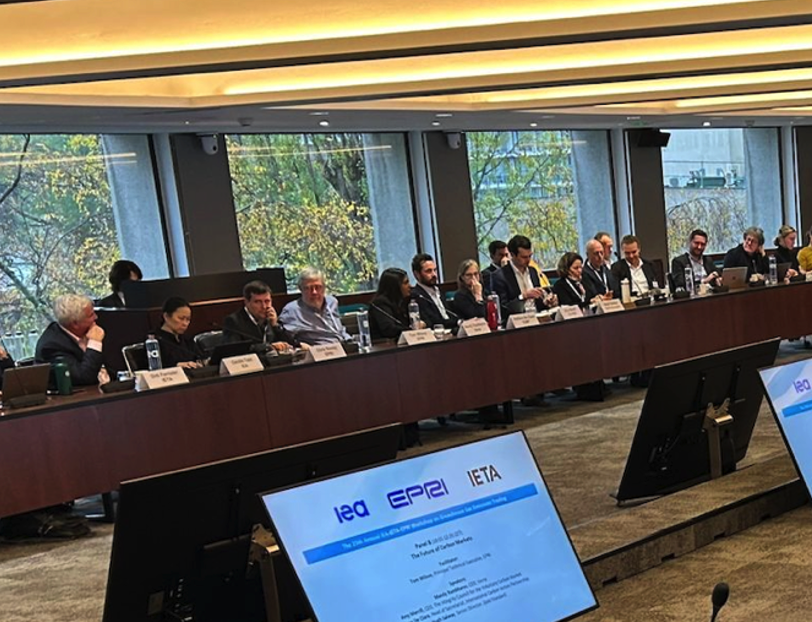
Article 6: Time to move on and further move the needle!
Time to move on! Last week I attended the 25th IEA/IETA/EPRI GHG Trading Workshop under the feet of the Eiffel Tower. It marked 20 years voluntary carbon market #VCM, involved in 2 bln CO2 project reductions/removals cumulatively. And the EU #ETS has in 20 years brought EU emissions down with 8,5 bln ton CO2, 50%…
Setting aside a budget for “ITMOs” can avoid dead-lock on Art 6 trade
A surprisingly high number of project developers across Africa and Asia are hoping to earn ‘Corresponding Adjustments’ (CAs) for their verified carbon units (VCUs), effectively converting voluntary VCUs into higher-priced Internationally Transferred Mitigation Outcomes (ITMOs) under the Paris Agreement. It is a common expectation, but rests on two shaky premises that could lead to disappointment…
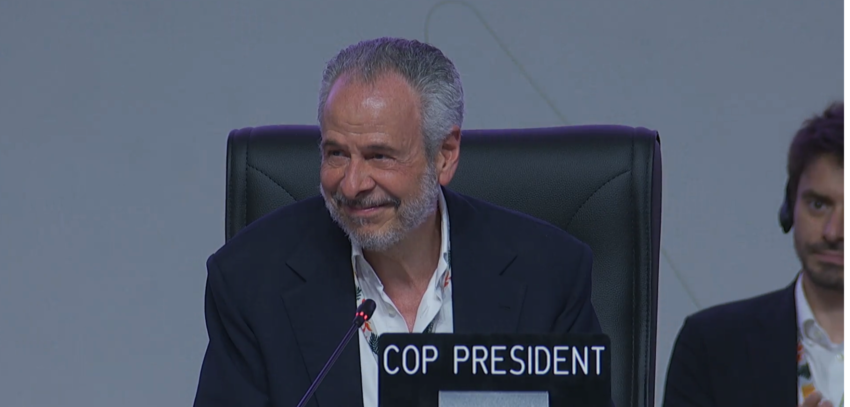
Annual Paris Agreement Parties’ Summit more and more a political gathering; that brings extra risks
Last month’s annual climate summit in Belem, Brazil – CoP30 – is the meeting of the highest body of the Climate Convention and the Paris Agreement. On the one hand, annual operational and substantive decisions are made here, regarding reporting, the budget, progress on achieving climate goals, and guidelines for the carbon credit system. These…